

Pratyahara is the fifth limb of yoga, often translated as sense withdrawal. It describes turning attention inward when the senses are constantly pulled outward. In yoga, this serves as preparation for concentration (Dharana) and meditation (Dhyana). In our daily lives, this is reducing sensory stimulation to maintain focused attention. For a performer, this means tuning out the audience to lock into their performance. In a world of notifications, deadlines, and constant access, Pratyahara feels more necessary than ever.
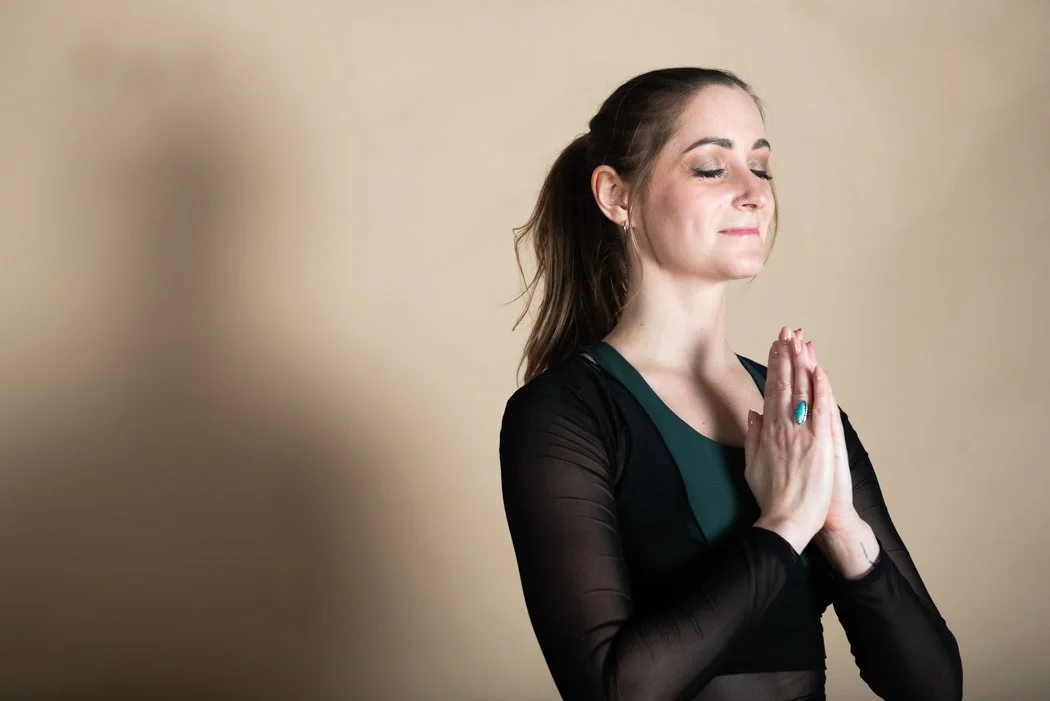
As a college athlete, I quickly noticed that I had very different pre-game rituals and routines from my teammates. Oftentimes, they would be blasting music in the locker room to amp themselves up and get themselves ready to compete. They jumped up and down blasting “Call Me, Maybe” to release and regulate their pre-game jitters. For them, this got their energy up to where it needed to be. For me, it was overstimulating and distracting.
I needed my headphones on at all times, playing the same playlist I listened to before every game. I needed my eyes closed to block out distractions, regulate my anxiousness, and stay focused. I also needed to put my left sock on before my right sock, and my left cleat on before my right cleat, but that was just a superstition.
Additionally, I utilized Pratyahara while I studied. My team had mandatory study hall periods together in the library, but I couldn’t get any work done when I was around so many people. I wished I could be like my teammates who finished their work while they watched TV together, but that just wasn’t the case for me. I noticed I couldn’t even listen to music with lyrics while I studied - it was too hard for me to retain important information when there was too much sensory stimulation happening at once. Thankfully, this was how I discovered the deadmau5 album 4×4=12 and got interested in EDM.
Now, as I write this, I’m listening to a playlist consisting of House tracks without words that some might describe as upbeat elevator music. I have noise-canceling headphones on. I’m wearing a dad hat with a curved brim that works like blinders to keep my attention on my screen. My phone is on Do Not Disturb mode. My sensory input is limited so I can direct my attention where I want it to go.
What Pratyahara Looks Like in Therapy
Burnout rarely comes from one thing. It often builds over time from many small factors: emails after hours, group messages during meals, news alerts before bed, checking emails as soon as you wake up. Each notification demands attention, and your nervous system remains activated and ready to respond.
Pratyahara in therapy is not about shutting down. It is about noticing which inputs drain you and distract you. It means building small pauses where your senses can rest and reset. It does not mean retreating into silence when things get overwhelming (that’s an all-or-nothing cognitive distortion that is only temporarily helpful). This limb gently encourages you to reduce sensory input so you can stay focused without draining yourself from trying to attend to too many things at once. By practicing sensory withdrawal, silence loses its scariness and can start to become a welcomed reprieve.
Case Example
A high-ranking executive once described feeling “unable to turn it off” at the end of every day. His phone was always within reach, and he checked messages constantly, even during dinner with his family. In session, I challenged the client to notice when he may feel present during the day. Unfortunately, he noticed that what h thought was presence throughout the day was better described as “autopilot,” and he experienced difficulty slowing down and being present with his spouse in the evenings. He shared that he felt like he wasn’t doing enough when he was doing less, and he was always ready to spring into action when his phone buzzed.
We agreed on a few small practices: a phone-free morning routine before leaving his home for work, a short walk without headphones in the evening, and one, slow, deep breath with his eyes closed at the start or end of every meeting. He said the hardest part was not the silence itself, but the anxiety that came with it. Doing too much all at once had become their normal, and the idea of doing less seemed risky. However, he noticed that this was burning him out, making him chronically stressed, and needed to change. Over time, with incremental changes, he found a sense of regulation where he could actually do more, and do better, by doing less.
Try This
Choose one daily input to pause, such as notifications, music, or news. If you tend to scroll on your phone while watching Netflix at night, try turning one thing off to pay attention to just one screen at a time. If you usually have music playing in your ears at all times, try cooking dinner in silence and listening to the sounds you create while you cook. Turn your phone on Do Not Disturb while you’re at the gym. Implement a five-minute window of quiet at the start of your day or take a silent walk during your lunch break. Notice what arises. Many people feel restless at first, and that restlessness is information worth exploring with a therapist (like me).
Next Steps
If constant pressure has left you exhausted, you can start a conversation by sending me a message.